Get Floor Plumbing Installation
Floor plumbing installation services help property owners with installing or replacing pipes, fixtures, and drainage systems for bathrooms, kitchens, and laundry areas.
Planning a plumbing installation project for your property can involve many practical considerations, especially when it comes to flooring work. Property owners in the area who are upgrading, renovating, or installing new plumbing systems often explore options for professional floor plumbing installation to ensure a reliable and efficient setup. Comparing local contractors helps identify experienced service providers who understand the specific needs of the community and can deliver quality results tailored to each property’s requirements.
Whether tackling a bathroom remodel, kitchen upgrade, or new construction, finding the right local service providers for floor plumbing installation is an important step in the planning process. This resource helps property owners explore their options, compare local contractors, and connect with professionals capable of handling the work efficiently. Keep reading to learn more about how to find the right fit for your project and ensure a successful installation.
- Floor Plumbing Installation - when installing new flooring that requires integrated plumbing connections.
- Bathroom Remodels - during updates that involve relocating or upgrading existing floor plumbing lines.
- Kitchen Renovations - when adding or replacing appliances that need new or modified floor plumbing hookups.
- Leak Repairs - after detecting water damage or persistent leaks beneath the floor surface.
- Foundation Drainage Systems - to improve water runoff and prevent basement flooding through proper floor plumbing setup.
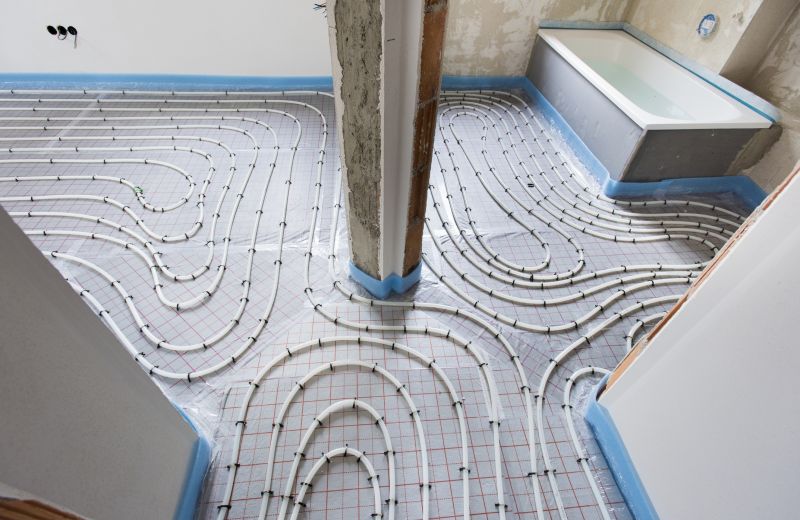
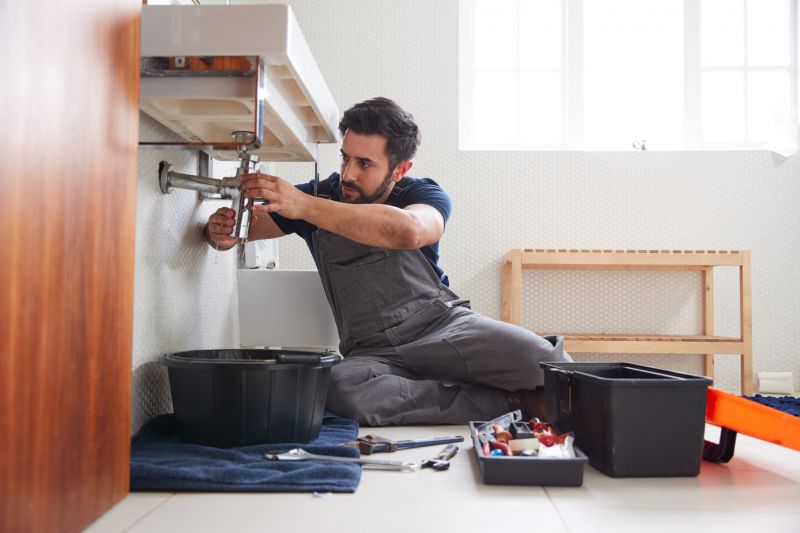
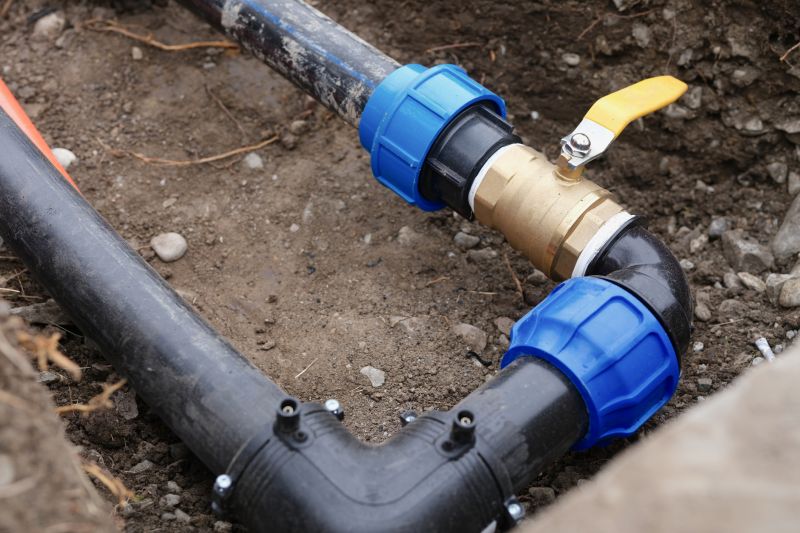
Floor plumbing installation services involve setting up the network of pipes and fixtures that supply water and remove waste beneath the floors of a property. This process typically includes planning the layout, installing pipes within the subfloor, and connecting fixtures such as sinks, toilets, and showers. Proper installation ensures that water flows efficiently throughout the property, reducing the risk of leaks, water damage, and plumbing failures. Professional contractors familiar with floor plumbing can handle both new construction projects and renovations that require rerouting or upgrading existing pipe systems.
This service helps address a range of common plumbing problems, including persistent leaks, low water pressure, and drainage issues. Faulty or outdated piping beneath the floor can lead to mold growth, structural damage, and costly repairs if not addressed promptly. Installing new or upgraded floor plumbing can also improve water efficiency and ensure compliance with modern plumbing standards. Homeowners experiencing frequent plumbing backups or noticing unusual dampness or odors in their floors may benefit from professional floor plumbing installation to resolve these issues effectively.
Floor plumbing installation is often necessary in properties undergoing major renovations, additions, or new builds. It is a common feature in residential homes, especially in basements, basements conversions, or homes with slab foundations where traditional wall-mounted plumbing isn’t feasible. Commercial properties, such as restaurants, retail spaces, and office buildings, also frequently require floor plumbing services to accommodate their specific water and waste management needs. Local contractors experienced in this type of work can assess the property’s layout and provide tailored solutions that meet the unique demands of each property.
Homeowners should consider floor plumbing installation services when building new homes, remodeling existing spaces, or experiencing plumbing issues that require rerouting pipes beneath the floors. Proper installation can prevent future problems, improve water flow, and ensure the plumbing system functions reliably. Connecting with experienced local service providers allows homeowners to compare options and find the right professionals to handle their floor plumbing needs efficiently and effectively.
The overview below groups typical Floor Plumbing Installation projects into broad ranges so you can see how smaller, mid-sized, and larger jobs often compare in your area.
In many markets, a large share of routine jobs stays in the lower and middle ranges, while only a smaller percentage of projects moves into the highest bands when the work is more complex or site conditions are harder than average.
Smaller Repairs - typical costs for minor plumbing repairs like fixing leaks or replacing a small section of pipe usually range from $250-$600. Many routine jobs fall within this middle range, depending on the complexity and parts needed.
Fixture Installations - installing new fixtures such as toilets, sinks, or faucets generally costs between $300-$1,200. Larger, more elaborate installations or upgrades can reach $1,500+ but are less common.
Full System Replacement - replacing an entire plumbing system in a home or building can vary widely, often from $4,000 to $10,000 or more for extensive projects. Many contractors handle standard replacements within the lower to middle part of this range.
Complex or Custom Projects - large-scale or custom plumbing installations, including commercial or multi-unit buildings, can exceed $15,000. These projects are less frequent and typically involve higher costs due to scope and complexity.
Actual totals will depend on details like access to the work area, the scope of the project, and the materials selected, so use these as general starting points rather than exact figures.
Bathroom Plumbing Renovations - these projects involve installing and updating plumbing systems in bathrooms, requiring similar pipe fitting and layout planning skills as floor plumbing installations.
Kitchen Plumbing Upgrades - upgrading kitchen plumbing involves working with water supply lines and drainage systems, sharing tools and planning methods used in floor plumbing work.
Drainage System Installations - installing new drainage systems for residential or commercial properties involves similar trenching, pipe fitting, and layout planning as floor plumbing projects.
Wet Room Construction - creating wet rooms requires precise plumbing layout and waterproofing techniques, paralleling the skills needed for floor plumbing installation.
Underground Pipework Installation - laying underground water or sewage pipes involves excavation, pipe fitting, and planning skills comparable to those used in floor plumbing projects.
Hydronic Heating System Setup - installing radiant floor heating systems involves plumbing and layout planning similar to standard floor plumbing services.
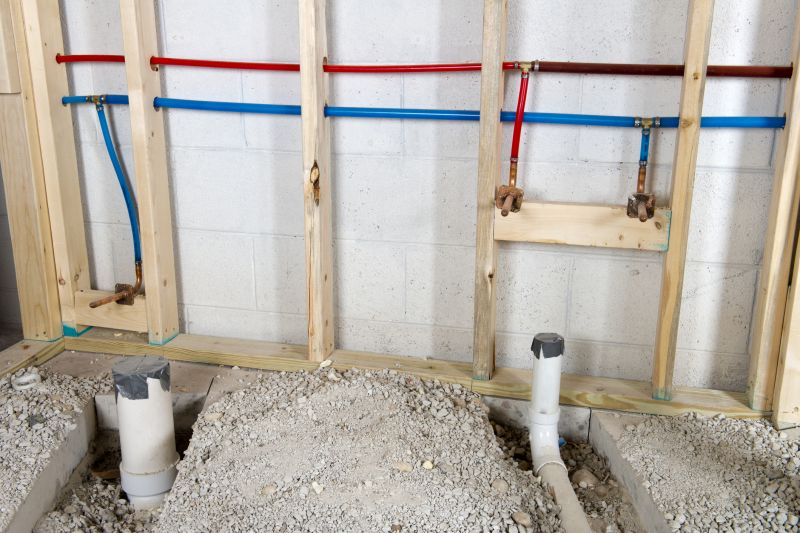
When comparing local contractors for floor plumbing installation, it’s important to consider their experience with similar projects. Homeowners should look for service providers who have a proven track record of handling installations comparable to the scope and complexity of the work needed. This helps ensure that the contractor understands the specific requirements involved and can deliver results that meet expectations. Gathering information about their past projects or specialties can provide insight into their familiarity with different types of flooring and plumbing setups.
Clear written expectations are essential when evaluating potential service providers. Homeowners should seek out contractors who communicate their scope of work, materials, and processes in a detailed and understandable manner. Having a well-defined plan helps prevent misunderstandings and provides a basis for comparing proposals. It’s beneficial to ask for a written outline of what the project will entail, including any assumptions or limitations, to ensure everyone is aligned before work begins.
Reputable references and good communication are key factors in selecting a reliable local contractor. Homeowners can request references from previous clients to verify the quality of work and professionalism. Additionally, choosing a service provider who responds promptly and clearly to questions indicates a commitment to transparency and customer service. While the site introduces homeowners to local options, it’s important to remember that the actual installation work is performed by the chosen contractor. Conducting thorough research and asking the right questions can help find a qualified professional suited to the project’s needs.
Property owners use Floor Plumbing Installation services for practical projects around their homes and businesses. This guide focuses on everyday jobs and straightforward project options.
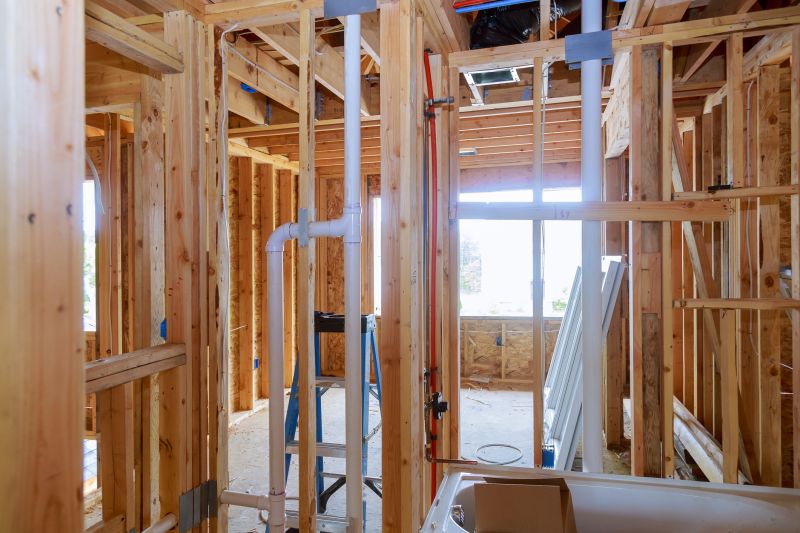
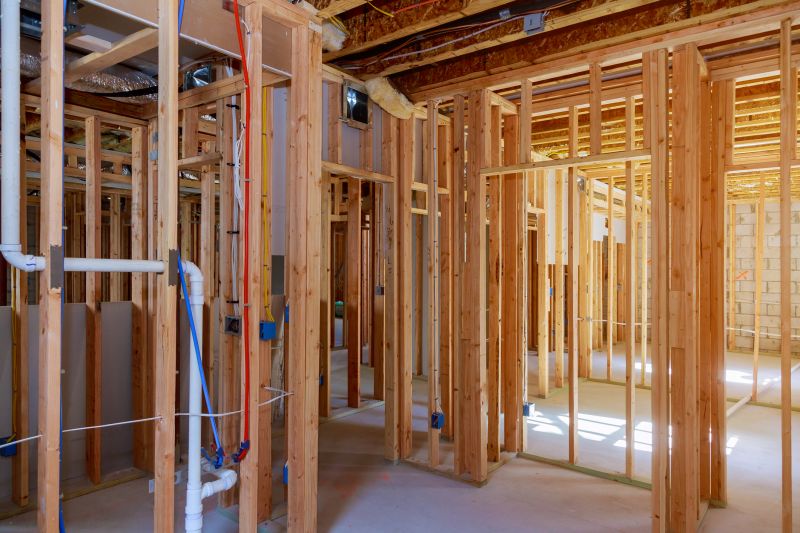
Floor plumbing installation services are often needed during home renovations, new construction projects, or when upgrading outdated systems. Property owners may seek local contractors to install new pipes, fixtures, or drainage systems to improve functionality or meet updated building codes. Whether replacing worn-out components or adding plumbing for a new bathroom or kitchen, local service providers can handle these essential tasks efficiently.
In addition, property owners might look for floor plumbing installation when addressing issues such as leaks, water damage, or uneven flooring caused by faulty pipes. Professional installation ensures that plumbing systems are properly integrated into the property’s foundation and structure, helping to prevent future problems. Local contractors experienced in floor plumbing can provide the expertise needed for these everyday projects, ensuring reliable and effective results.
What is involved in installing floor plumbing? Floor plumbing installation typically includes laying out and connecting pipes for fixtures such as sinks, toilets, or drains within the floor area, ensuring proper drainage and flow.
Can existing floors be modified for new plumbing? Yes, experienced contractors can often modify or cut into existing floors to accommodate new plumbing lines, depending on the floor material and structure.
What types of flooring are suitable for floor plumbing installation? Many types of flooring, including concrete, tile, and some wood materials, can support floor plumbing installation, though specific methods may vary.
Are there specific considerations for installing in new construction versus remodeling? In new construction, plumbing can be integrated during the build process, while remodeling may require floor modifications or adjustments to existing plumbing systems.
How do local contractors ensure proper floor plumbing installation? Local service providers follow industry best practices and local building codes to ensure the plumbing system is correctly installed and functions properly.
Bathroom Renovations - Upgrading or remodeling a bathroom often requires new or updated plumbing installations to improve functionality and efficiency.
Kitchen Plumbing Updates - Installing or replacing kitchen plumbing fixtures can enhance convenience and support modern appliances.
Fixture Replacement - Swapping out old or faulty faucets, toilets, or sinks helps maintain proper plumbing performance throughout a property.
Leak Repairs - Addressing hidden or visible leaks can prevent water damage and improve overall plumbing system reliability.
If you are thinking about Floor Plumbing Installation for a property, this guide is meant to help you understand the work, the typical project types, and how different options might fit your plans.
When you are ready, you can use the quote form on this page to share a few details about your project. From there, local pros can review the basics and respond with options that match what you have in mind.