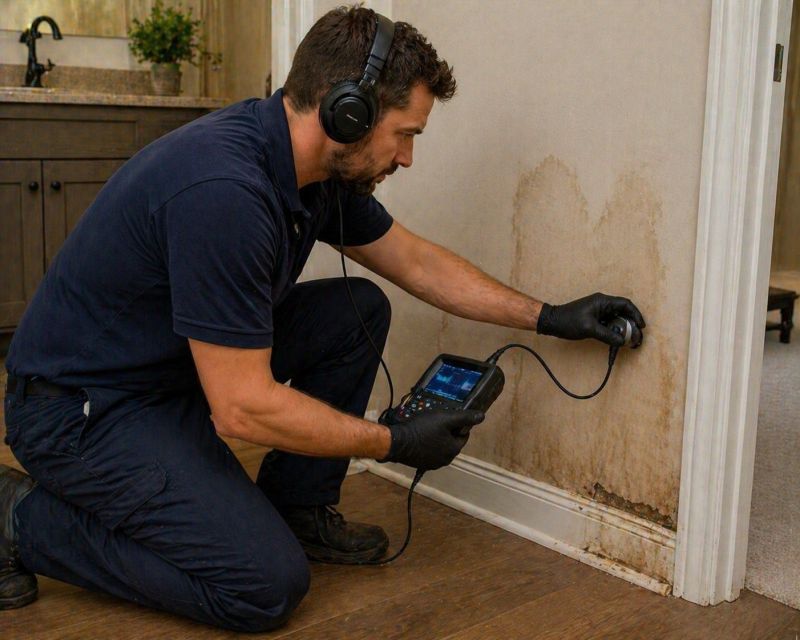
Pipe Leak Detection in Denver, CO
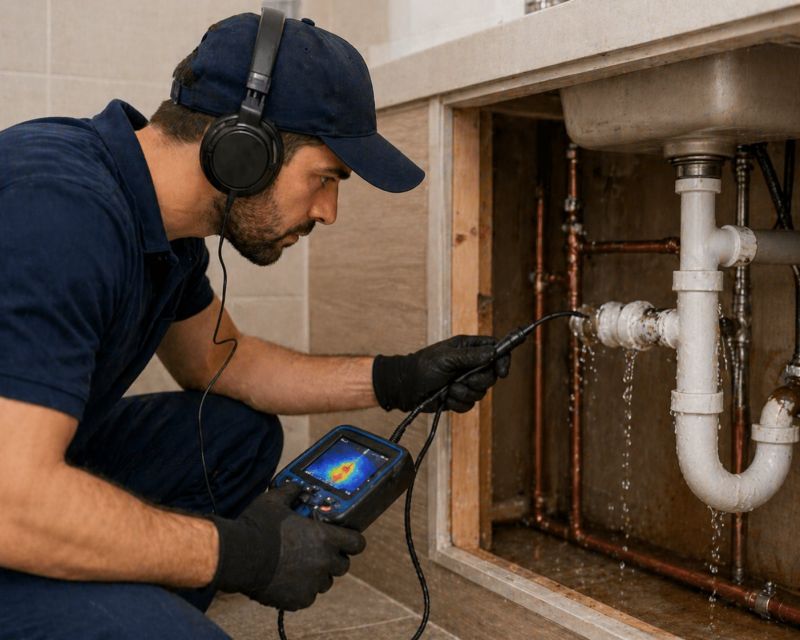
Pipe leak detection services involve identifying the precise location of leaks within plumbing systems, often using specialized equipment such as acoustic sensors, thermal imaging, or video inspection tools. These services are applicable to a variety of projects, including hidden leaks behind walls, under floors, or within underground pipes, as well as visible leaks that require quick assessment. Property owners typically seek leak detection when experiencing unexplained water bills, damp spots, mold growth, or reduced water pressure, aiming to pinpoint issues before extensive damage occurs.
Understanding the scope of pipe leak detection helps homeowners determine if their situation warrants professional assessment. It’s important to know whether the leak is suspected in a specific area or if there are ongoing signs of water loss throughout the property. Accurate detection can prevent unnecessary repairs and help plan effective solutions, making it a valuable step in maintaining plumbing health and protecting property value.
Many property owners in Denver, CO look into Pipe Leak Detection for repairs, replacements, upgrades, and appearance-related improvements.
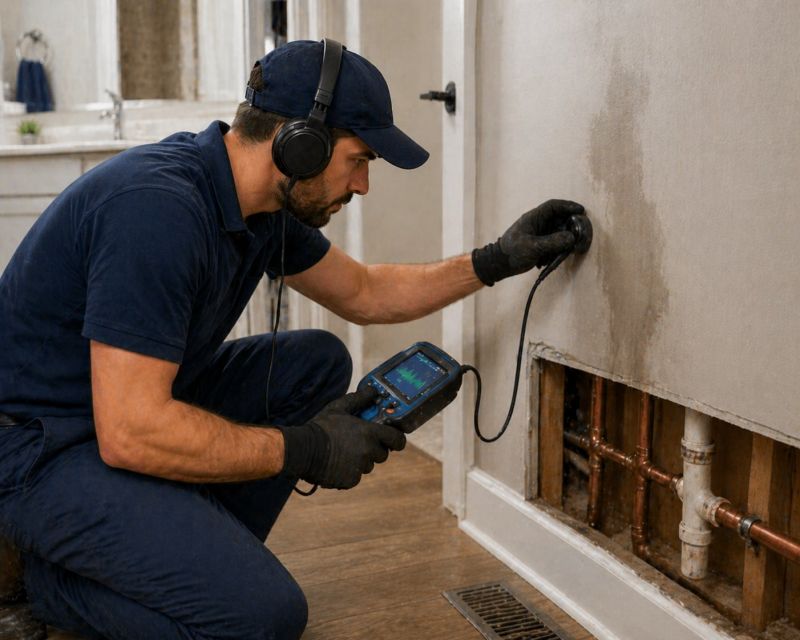
Identifying Hidden Leaks
Advanced detection methods help locate leaks behind walls and underground.
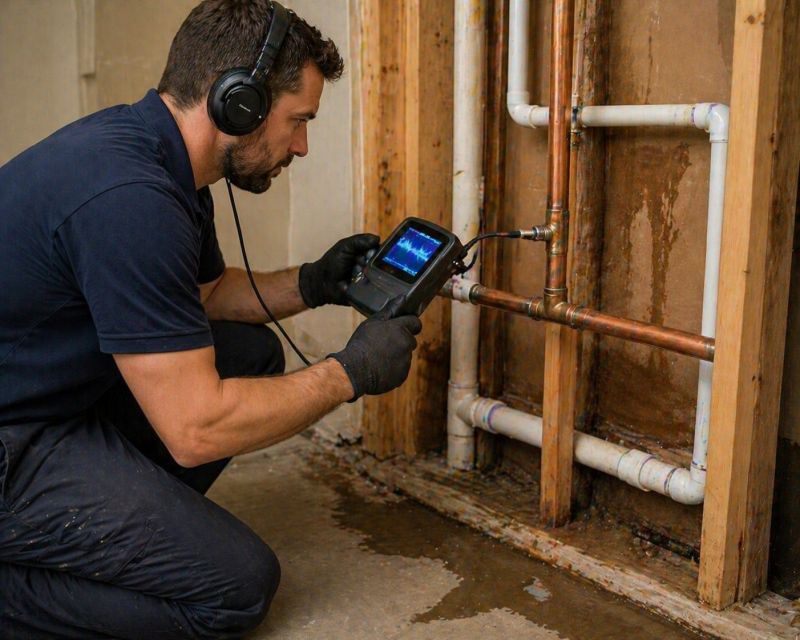
Preventing Water Damage
Early leak detection minimizes property damage and costly repairs.
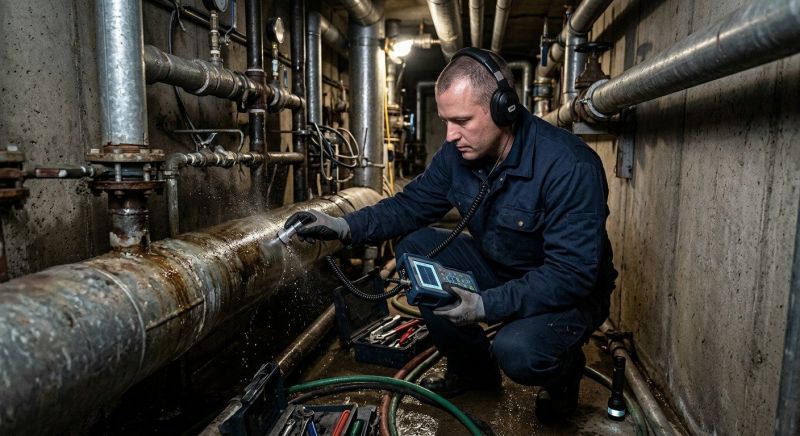
Maintaining Plumbing Integrity
Regular leak inspections ensure the longevity and safety of plumbing systems in denver homes.
Pipe Leak Detection in Denver, CO

Pipe leak detection services involve identifying the precise location of leaks within plumbing systems, often using specialized equipment such as acoustic sensors, thermal imaging, or video inspection tools. These services are applicable to a variety of projects, including hidden leaks behind walls, under floors, or within underground pipes, as well as visible leaks that require quick assessment. Property owners typically seek leak detection when experiencing unexplained water bills, damp spots, mold growth, or reduced water pressure, aiming to pinpoint issues before extensive damage occurs.
Understanding the scope of pipe leak detection helps homeowners determine if their situation warrants professional assessment. It’s important to know whether the leak is suspected in a specific area or if there are ongoing signs of water loss throughout the property. Accurate detection can prevent unnecessary repairs and help plan effective solutions, making it a valuable step in maintaining plumbing health and protecting property value.
Many property owners in Denver, CO look into Pipe Leak Detection for repairs, replacements, upgrades, and appearance-related improvements.
Common Pipe Leak Detection Jobs
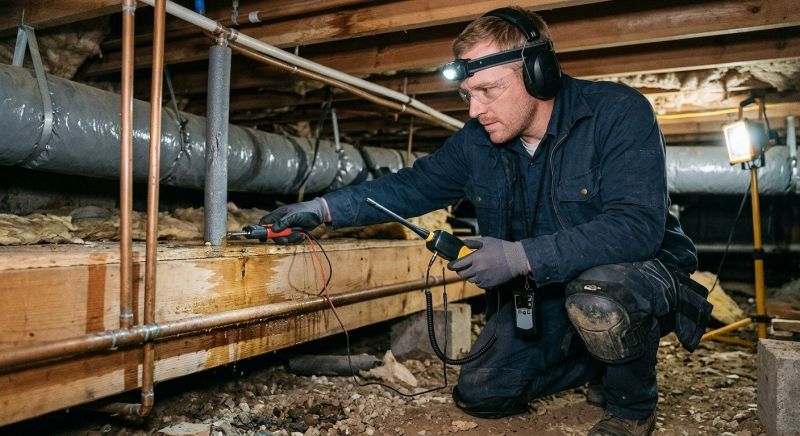
Residential plumbing inspections - identify hidden leaks in pipes behind walls or under floors.
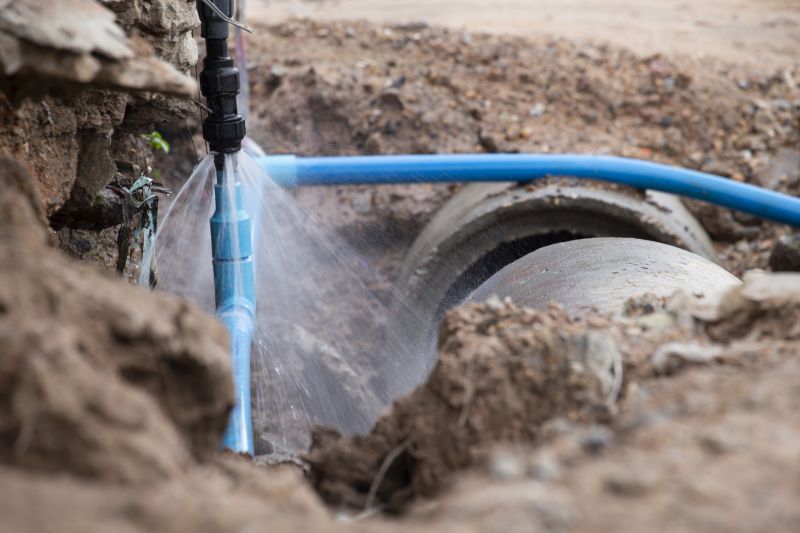
Underground pipe scans - locate leaks in buried pipes without extensive excavation.
Commercial property leak detection - find leaks in complex plumbing systems of office buildings.
Water pressure tests - detect leaks indicated by drops in water pressure over time.
Leak pinpointing services - precisely locate the source of leaks for targeted repairs.
Emergency leak detection - respond quickly to sudden water loss or unexplained dampness.
Pipe Leak Detection Questions
How can pipe leak detection help identify hidden leaks? It uses specialized equipment to locate leaks that are not visible on the surface, preventing further property damage.
What are common signs of a hidden pipe leak? Signs include unexplained increases in water bills, damp spots, mold growth, or a drop in water pressure.
Is pipe leak detection suitable for all types of plumbing systems? Yes, it can be used on various plumbing systems, including residential and commercial properties.
Why should property owners consider professional leak detection services? Professionals can accurately locate leaks quickly, minimizing property damage and reducing repair costs.
Request Pipe Leak Detection in Denver, CO
Use the quote form on this page to share the basics of your project and request more information for the type of work you need.