Common Causes Of Low Water Pressure In Homes
To fix low water pressure caused by common issues like pipe blockages or leaks, local service providers can diagnose the problem and provide effective repair solutions.
Homeowners experiencing persistent low water pressure may find it helpful to understand some of the common causes behind this issue. Factors such as mineral buildup within pipes, leaks, or clogged fixtures can significantly impact water flow throughout a property. Exploring these potential causes allows property owners to identify underlying problems that could be affecting daily routines, from showering to appliance use. Recognizing these common issues can also guide property owners in seeking the appropriate repairs, which local contractors specializing in low water pressure services are well-equipped to handle.
Understanding what might be causing low water pressure in a home empowers property owners to take informed steps toward resolution. Whether it’s addressing internal pipe obstructions or fixing leaks that diminish water flow, local service providers are available to help restore optimal pressure levels. Keeping an eye on these common causes and knowing when to seek professional assistance can make a noticeable difference in maintaining a comfortable and functional home. Keep reading to learn more about how local pros can assist with low water pressure repair needs.
- Low Water Pressure Repairs - homeowners experiencing inconsistent or weak water flow may need local contractors to diagnose and fix issues caused by pipe blockages or leaks.
- Pipe Replacement Services - persistent low water pressure due to corroded or damaged pipes can be addressed by local service providers who specialize in pipe repairs and replacements.
- Clogged Fixture Repairs - reduced water flow at faucets or showers often results from blockages or buildup, which local pros can clear efficiently.
- Water Pressure Regulator Adjustments - fluctuations or low pressure caused by faulty regulators can be corrected by local contractors familiar with adjusting or replacing these components.
- Leak Detection and Repair - hidden leaks within the plumbing system can diminish water pressure, and local service providers use specialized techniques to locate and fix leaks promptly.
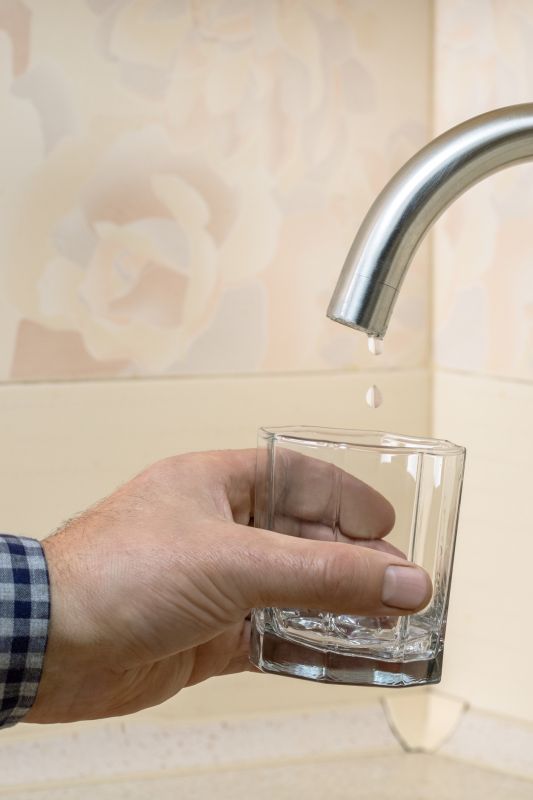
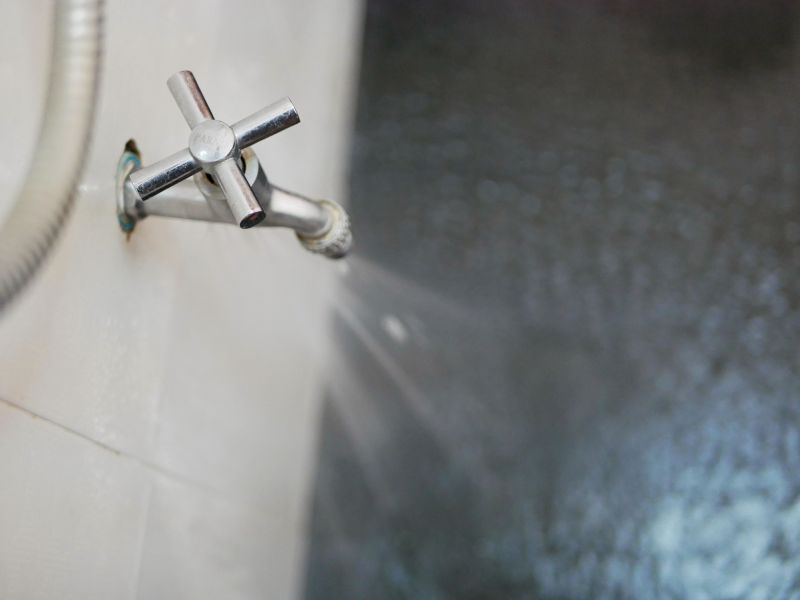
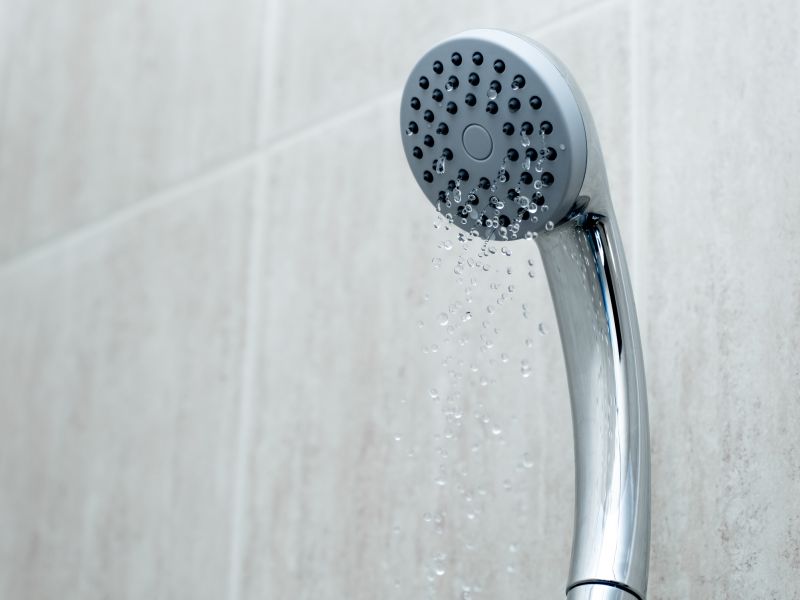
When searching for information about common causes of low water pressure in homes, homeowners are often trying to identify why their household water flow feels weak or inconsistent. This issue can affect multiple fixtures, such as showers, faucets, and outdoor spigots, making daily routines inconvenient. People usually relate this topic to ongoing problems with their plumbing system, or they may be planning repairs or upgrades to improve water flow. Understanding the root causes helps homeowners decide whether the problem is something they can address themselves or if they need to bring in local contractors who specialize in water pressure repairs.
Low water pressure can be linked to a variety of factors, ranging from simple blockages to more complex plumbing issues. Common causes include mineral buildup inside pipes, which narrows the flow path over time, or corroded fixtures that restrict water passage. Sometimes, pressure-reducing valves installed on the main line may be improperly adjusted or malfunctioning. Other times, leaks in the plumbing system or issues with the municipal water supply itself can cause pressure drops. Recognizing these causes helps homeowners understand what might be involved in fixing the problem and when professional assistance is needed to restore proper water flow.
Certain types of properties are more likely to encounter low water pressure issues due to their design or age. Older homes often have outdated plumbing materials, such as galvanized pipes, which are prone to corrosion and mineral buildup. Multi-story buildings or homes with extensive plumbing networks may experience pressure drops at higher floors or distant fixtures. Rural properties that rely on well water might face pressure fluctuations caused by pump or filtration system problems. Knowing the property type and its plumbing setup can guide homeowners in diagnosing the cause of low water pressure and selecting appropriate local service providers who can address these specific issues effectively.
Understanding the common causes of low water pressure in homes is essential for planning repairs and ensuring reliable water flow. Local pros who specialize in water pressure repair can evaluate the specific situation, identify the underlying problem, and recommend the best course of action. Whether it involves cleaning out pipes, replacing fixtures, adjusting pressure regulators, or fixing leaks, these service providers bring the expertise needed to resolve the issue efficiently. For homeowners experiencing persistent low water pressure, connecting with experienced local contractors can make a significant difference in restoring comfort and functionality to their household water system.
Plumbing pipe replacement - replacing old or corroded pipes is essential for resolving low water pressure caused by blockages or leaks within the plumbing system.
Fixture installation and repair - fixing or upgrading fixtures like faucets and showerheads can improve water flow issues related to clogged or faulty fixtures.
Water heater services - ensuring proper functioning of water heaters can address pressure problems caused by sediment buildup or malfunctioning components.
Leak detection services - identifying and repairing hidden leaks helps prevent pressure drops due to water loss within the plumbing system.
Pipe insulation and maintenance - maintaining and insulating pipes can prevent issues related to temperature fluctuations that impact water pressure.
Pressure regulator installation - installing or adjusting pressure regulators can help manage inconsistent water pressure throughout a home.
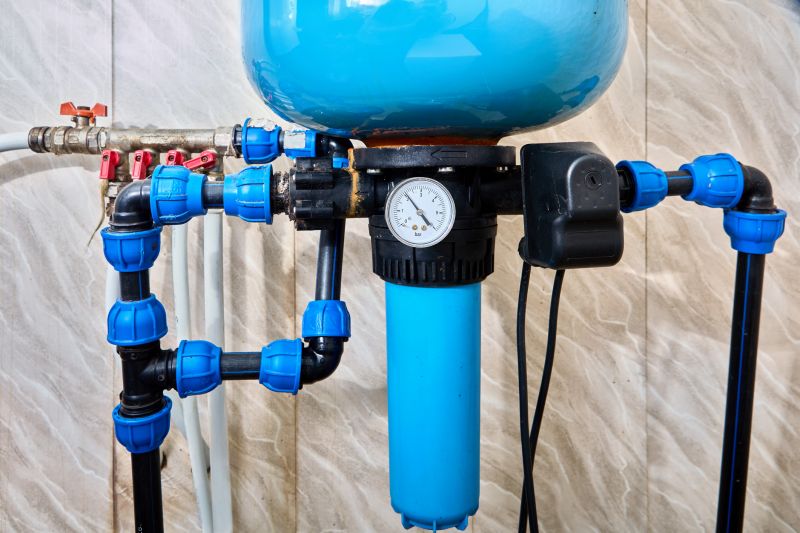
When comparing service providers for low water pressure repair, it’s important to consider their experience with similar projects. Homeowners should look for local contractors who have a history of successfully diagnosing and resolving common causes of low water pressure in homes. An experienced professional will better understand the typical issues that lead to low water flow, such as clogged pipes, faulty pressure regulators, or leaks, and can bring a level of expertise that helps ensure the repair is effective and long-lasting.
Clear written expectations are also a key factor to evaluate when choosing a local contractor. Reputable service providers will be transparent about the scope of work, the steps involved in diagnosing and fixing low water pressure issues, and any potential limitations. Having a detailed understanding of what to expect helps homeowners make informed decisions and prevents surprises during the repair process. It’s beneficial to ask for a written outline of services and to ensure that the contractor’s approach aligns with the specific needs of the home.
Good communication and reputable references are essential qualities to consider when selecting a local service provider. Homeowners should seek out contractors who are responsive, willing to answer questions, and able to explain the causes of low water pressure in understandable terms. Additionally, requesting references or reviews from past clients can provide insight into the contractor’s reliability and quality of work. Choosing a provider that values clear communication and has a track record of satisfied customers can lead to a smoother repair experience and greater confidence in the service performed.
Property owners often search for common causes of low water pressure in homes when they are planning practical projects around their homes and businesses. Local pros provide Low Water Pressure Repair services for everyday jobs and straightforward project options.
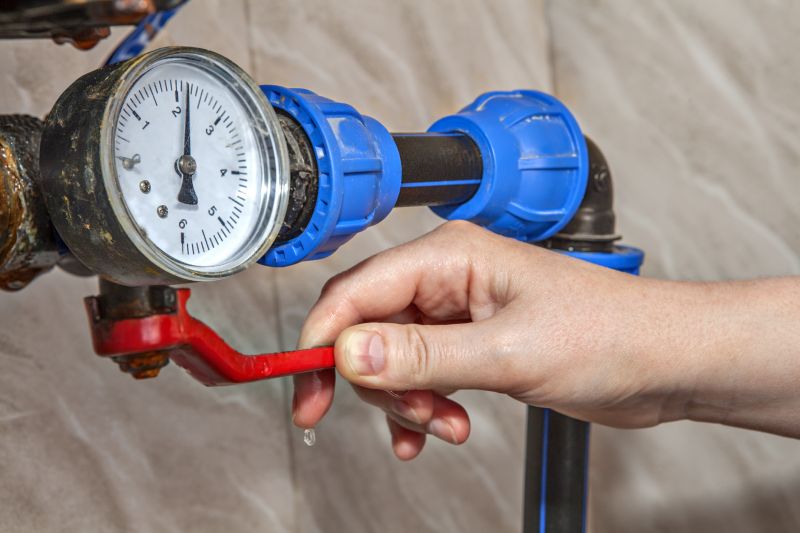
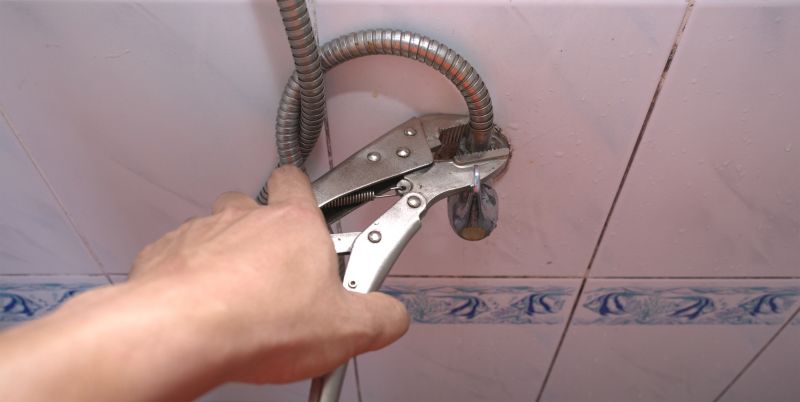
Many homeowners in the area experience low water pressure due to simple, everyday issues within their plumbing systems. Common causes include mineral buildup in aerators and showerheads, which can restrict water flow over time. Additionally, clogged or partially closed valves, such as the main shutoff or those leading to individual fixtures, may reduce water pressure throughout the home. These small, easily overlooked problems often lead property owners to seek the expertise of local contractors who specialize in diagnosing and repairing low water pressure issues efficiently.
Other frequent reasons for low water pressure involve more significant plumbing concerns, such as leaks in pipes or outdated plumbing systems that can cause pressure drops. Sometimes, sediment or debris can accumulate within the pipes or the home's water supply lines, impeding water flow. When these issues arise, it’s advisable to connect with local service providers who can assess the situation, identify the root cause, and perform the necessary repairs to restore proper water pressure.
What are common causes of low water pressure in homes? Common causes include clogged pipes, mineral buildup, faulty pressure regulators, leaks, or issues with the municipal water supply. Local contractors can assess and address these problems to restore water flow.
How can clogged pipes lead to low water pressure? Over time, debris, sediment, and mineral deposits can accumulate inside pipes, restricting water flow. Professional plumbers can clear blockages to improve water pressure.
What role do mineral deposits play in low water pressure? Mineral buildup, especially from hard water, can narrow pipe interiors and fixtures, reducing water flow. Local service providers can remove or mitigate these deposits to restore pressure.
Can leaks cause low water pressure in a home? Yes, leaks in plumbing fixtures or pipes can decrease overall water pressure by allowing water to escape before reaching fixtures. Experienced contractors can detect and repair leaks effectively.
Are issues with the municipal water supply a common cause of low water pressure? Yes, fluctuations or problems in the municipal water system can lead to reduced pressure in homes. Local pros can evaluate whether the issue originates outside the property and recommend solutions.
Clogged pipes - Identifying and clearing blockages in household pipes can restore water flow, and local contractors can handle pipe cleaning or replacement as needed.
Leaks and drips - Detecting leaks in faucets, pipes, or fixtures helps prevent pressure loss, with local service providers able to repair or replace faulty components.
Sediment buildup - Removing mineral deposits from aerators and fixtures can improve water pressure, and local pros can perform thorough flushing or cleaning.
Water pressure regulator issues - Adjusting or replacing faulty pressure regulators ensures consistent flow, with local contractors equipped to service or install new regulators.
If you are thinking about common causes of low water pressure in homes for a property, this guide is meant to help you understand this topic, the typical project types, and how different options might fit your plans.
When you are ready, you can use the quote form on this page to share a few details about your project. From there, local pros can review the basics and follow up with options that match what you have in mind.